
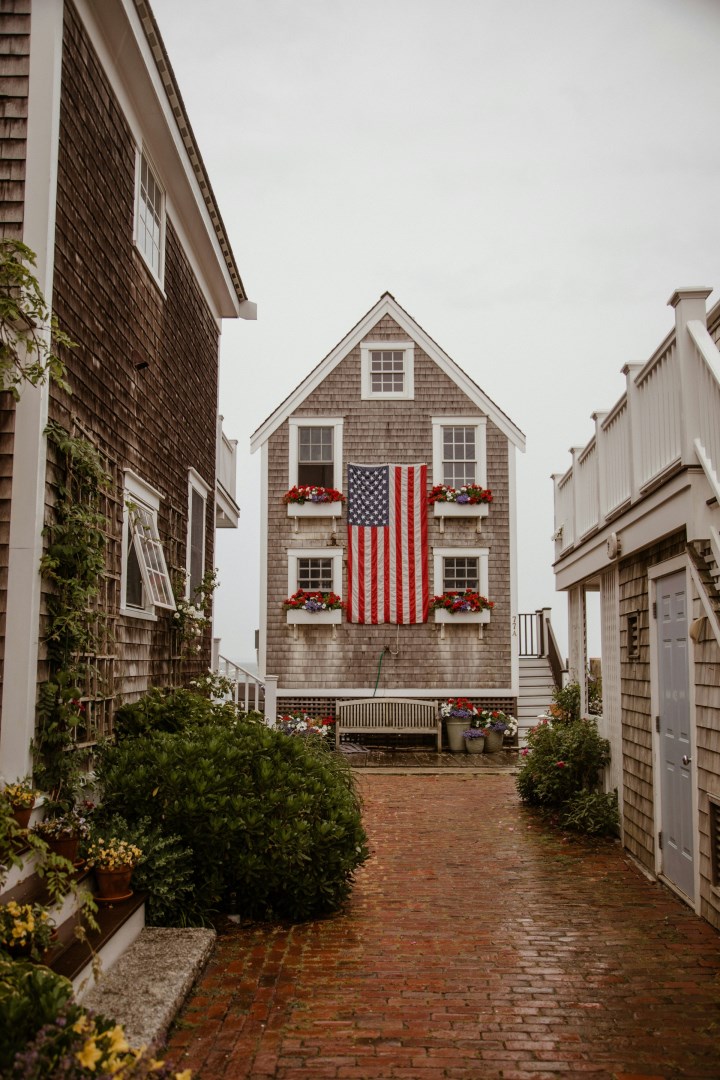


Provincetown is a small coastal town at the northern tip of Cape Cod, Massachusetts, surrounded by the waters of Cape Cod Bay and the Atlantic Ocean. Its narrow peninsula is shaped by shifting dunes, sandy beaches, tidal flats, and protected coastal habitats. Commercial Street forms the center of town, lined with galleries, restaurants, shops, guesthouses, and historic buildings. Provincetown’s harbor remains an important part of its landscape, with fishing boats, ferries, sailboats, and excursion vessels using the waterfront. The town’s compact setting gives it a strong connection to both the sea and the surrounding Cape Cod National Seashore.
Provincetown has a long maritime and cultural history, with Wampanoag connections to the Cape Cod region preceding European settlement. Fishing, whaling, and coastal trade shaped the community, while artists later established Provincetown as an important center for American art. The Provincetown Art Association and Museum preserves works associated with this artistic tradition. The town is also widely recognized for its LGBTQ+ history and community, with Commercial Street serving as a longstanding gathering place. The Pilgrim Monument and Provincetown Museum explores the town’s maritime heritage and the arrival of the Mayflower in Provincetown Harbor.
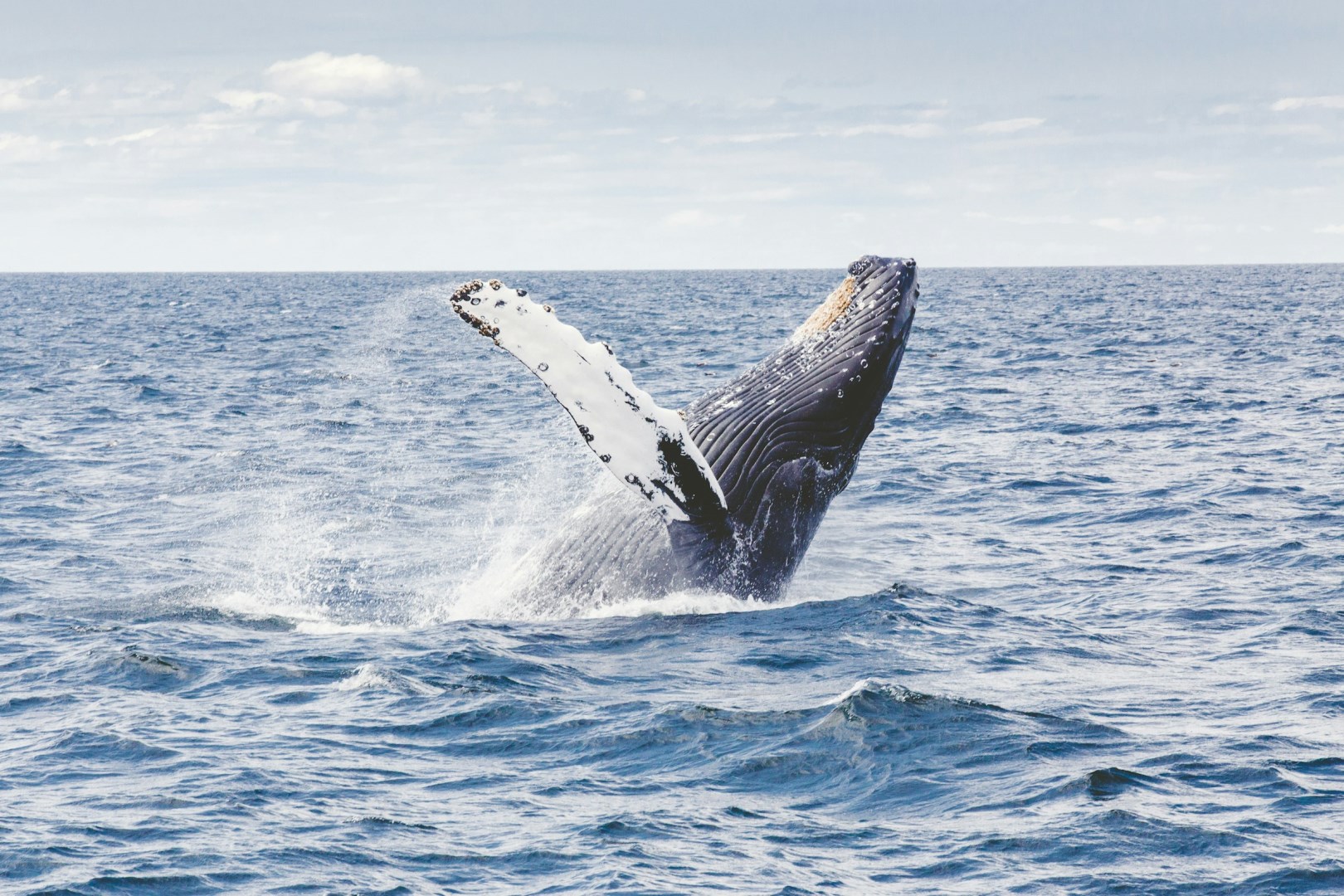
Cape Cod National Seashore protects extensive stretches of dunes, beaches, salt marshes, and coastal woodland around Provincetown. Race Point Beach and Herring Cove Beach are among the best-known nearby beaches, while the Province Lands Bike Trail passes through dunes and forested areas. Race Point Lighthouse stands on the northern tip of Cape Cod, surrounded by open coastal terrain. The Beech Forest Trail provides a different landscape of pitch pine and beech woodland. Provincetown Harbor also supports whale-watching excursions, with boats traveling into the waters of the Stellwagen Bank National Marine Sanctuary, an important feeding area for several whale species.
Provincetown’s food culture is strongly influenced by its location on the Atlantic, with lobster, scallops, oysters, clams, and locally caught fish appearing throughout the town. Restaurants along Commercial Street range from traditional seafood establishments to international and contemporary kitchens. The town is also known for its bakeries and Portuguese culinary influence, reflecting the Portuguese fishing community that became an important part of local life. Portuguese sweet bread and seafood dishes remain familiar regional specialties. Provincetown’s combination of maritime traditions, an established arts scene, LGBTQ+ cultural history, and protected dune landscapes gives the town an identity that is distinct within Cape Cod.